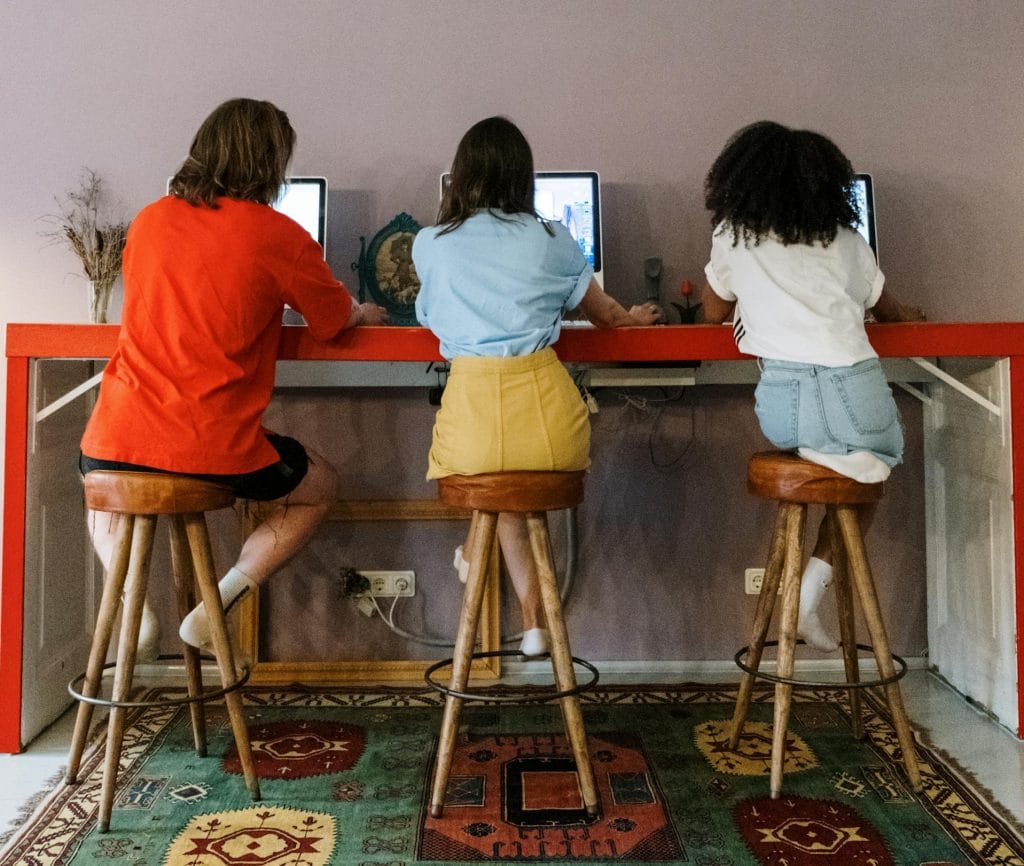
The XYZ issue
There are five generations in the workplace. The sustainability of corporations depends on the way they communicate, collaborate, and jointly accomplish goals.
There are five generations in the workplace. The sustainability of corporations depends on the way they communicate, collaborate, and jointly accomplish goals.

The lack of soft skills in leadership and the workplace is a widespread phenomenon that hinders communication amongst employees and the accomplishment of corporate goals. An interdisciplinary academic programme with courses from management, sociology, psychology, communications, and anthropology came to fill the gap.

In rapidly maturing digital markets, the so-called Enterprise Social Networks (ESNs) constitute the place where everything happens in the modern workplace. Threads replace chain mails, virtual teams save employees from fruitless and time-consuming meetings, chatrooms allow for instant collaboration.
It is about the way we understand things, the way we perceive, decode and interpret intended messages and meanings in any place for any purpose. From web forms to cultural aesthetics and from the business environment to civic life.
PwC’s Global Workforce Hopes and Fears Survey 2024, the fifth in a series dating back to 2019, finds that more than half of workers feel there’s too much change at work happening at once, and 44% don’t understand why things need to change at all.
A few years ago, ‘The Economist Intelligence Unit’ sponsored by ‘Lucidchart’ examined some of the perceived causes and effects of communication barriers in the modern workplace.
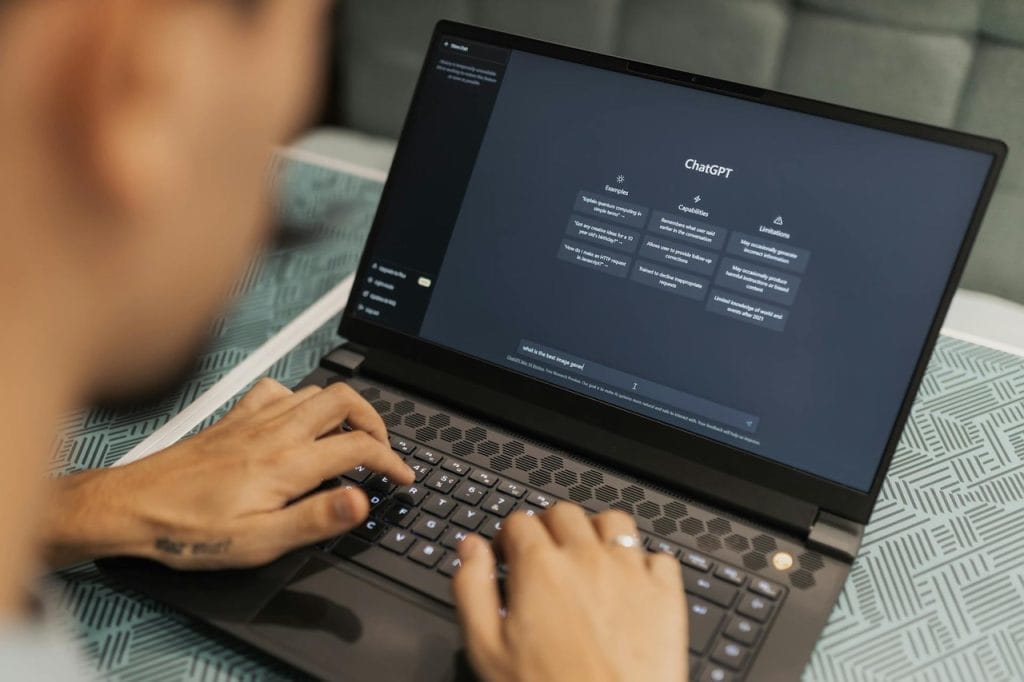
The Centre for the Development of Vocational Training run its first AI skills survey in spring 2024. As argued in an explanatory note, while recent studies have alleviated fears of massive job destruction that could ensue due to the adoption of AI tools and systems at work, there is still scarce evidence about the actual use of AI tools and applications by European workers and their consequences for workers well-being.
profComm Team
profComm Team
profComm Team